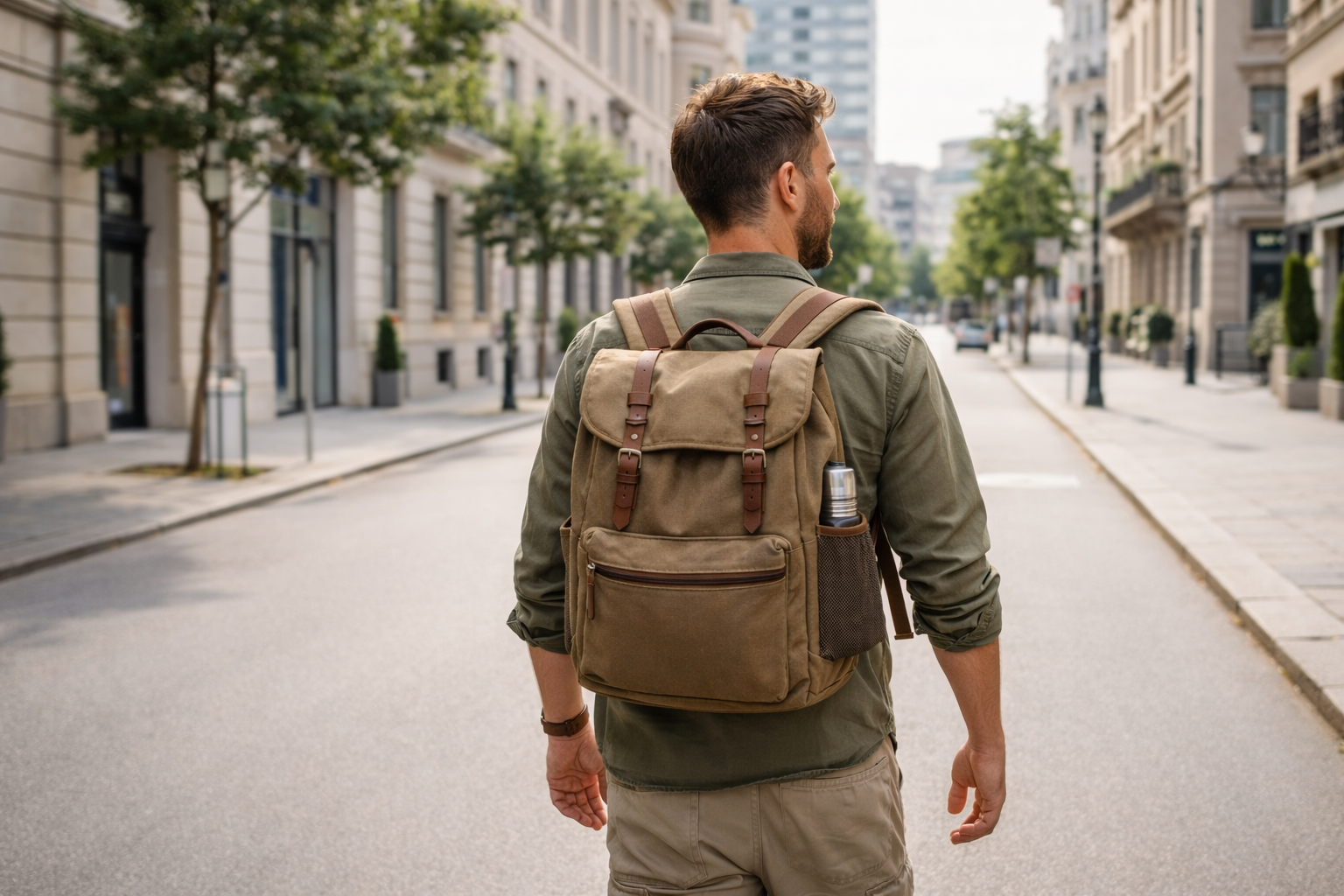
Solo Travel Safety Tips: How to Travel Alone With Confidence (Beginner Guide)
A practical guide to solo travel safety—planning, staying alert, choosing safe stays, and enjoying your trip confidently without fear.
Introduction
Solo travel can be one of the most powerful experiences. You choose your schedule, explore at your pace, and learn a lot about yourself. But beginners often worry: “Is it safe to travel alone?”
The truth is—solo travel is safe when you plan smartly and follow simple precautions. You don’t need to be paranoid. You only need awareness and good habits.
This guide will show you beginner-friendly solo travel safety tips so you can travel confidently and enjoy your journey.
1) Plan the Basics Before You Leave
Good planning reduces risk.
Do these before travel:
- Book your stay in advance
- Know the main routes from station/airport to hotel
- Save emergency numbers
- Keep important documents in one place
Also share your travel plan with a trusted family member.
2) Choose Safe Accommodation
Your stay matters a lot.
Choose places with:
- Good reviews
- Safe location
- 24/7 reception (if possible)
- Clean environment
Avoid very isolated areas for your first solo trip. Staying in a central, safe area makes moving around easier.
3) Keep Your Phone Ready
Your phone is your safety tool.
- Keep a power bank
- Keep GPS and maps ready
- Save important contacts
- Keep emergency numbers easily accessible
If your phone battery dies, you can feel stuck.
4) Be Careful With Public Sharing
Avoid posting live location publicly.
Post photos after you leave the place, not while you’re there.
Also avoid telling strangers:
- exact hotel name
- room number
- full travel plan
Friendly conversation is fine, but personal details should stay private.
5) Transport Safety Tips
Prefer:
- official taxis or app-based rides
- metro/bus in crowded areas
- avoid late-night isolated travel
If traveling at night, stay near families or safe groups in public spaces.
6) Keep Money & Documents Safe
Use the “split storage” method:
- Keep some cash in wallet
- Some cash in bag pocket
- Card/UPI separate
Keep documents in a pouch close to you, not in open pockets.
7) Trust Your Instincts
If something feels wrong, leave immediately.
Most safety issues are avoided by listening to your instincts.
Do not worry about being “polite.” Your safety matters more than manners.
8) Build Confidence With Small Solo Trips
If you’re new, start with:
- day trip
- weekend trip
- popular tourist city
Confidence grows with experience. After one or two small trips, you feel much more comfortable.
9) Simple Habits That Keep You Safe
- Stay aware (avoid deep phone scrolling while walking)
- Keep a simple itinerary
- Don’t accept food/drinks from strangers
- Keep your drink with you (if you’re at cafes)
- Avoid isolated shortcuts at night
These habits are simple but powerful.
Conclusion
Solo travel is not about fear—it’s about freedom with smart planning. When you plan your stay, keep your phone charged, avoid sharing private details, and trust your instincts, solo travel becomes safe and enjoyable.
Start small, stay aware, and enjoy the experience. Solo travel can become your most confident version of life.
FAQs
1) Is solo travel safe for beginners?
Yes—choose safe places and follow basic precautions.
2) What’s the best first solo destination?
A popular tourist city with good transport and safe stays.
3) Should I avoid traveling at night?
If you’re a beginner, prefer daytime travel or safe app-based transport.
About the Author

Kishan
Helping Businesses Turn Ideas into High-Quality Digital Products
I’m a Software Developer who helps businesses and startups turn ideas into functional, high-performa...